Turn Your Home into a Thriving Indoor Oasis
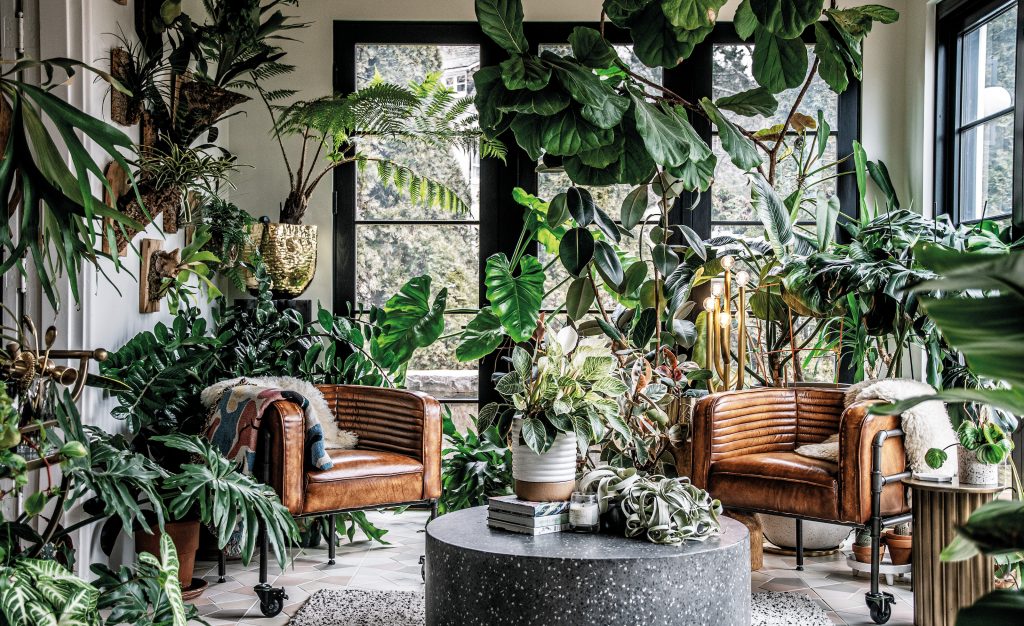
Houseplants do more than just beautify your space—they purify the air, reduce stress, and bring a touch of nature indoors. Whether you're a beginner with a "black thumb" or an experienced plant parent looking to level up, proper care makes all the difference. This comprehensive guide draws from proven horticultural practices to help your plants not just survive, but truly thrive.
1. Choosing the Right Plants for Your Space
Success starts with matching plants to your environment. Consider light levels, humidity, and your lifestyle.
- Low-light tolerant: Snake plant (Sansevieria), ZZ plant, pothos, and peace lily.
- Bright indirect light: Monstera, fiddle leaf fig, rubber plant.
- Pet-friendly options: Spider plant, Boston fern, and parlor palm.
Pro Tip: Start with resilient varieties like pothos or snake plants if you're new. They forgive minor mistakes.
2. Light: The Foundation of Healthy Growth
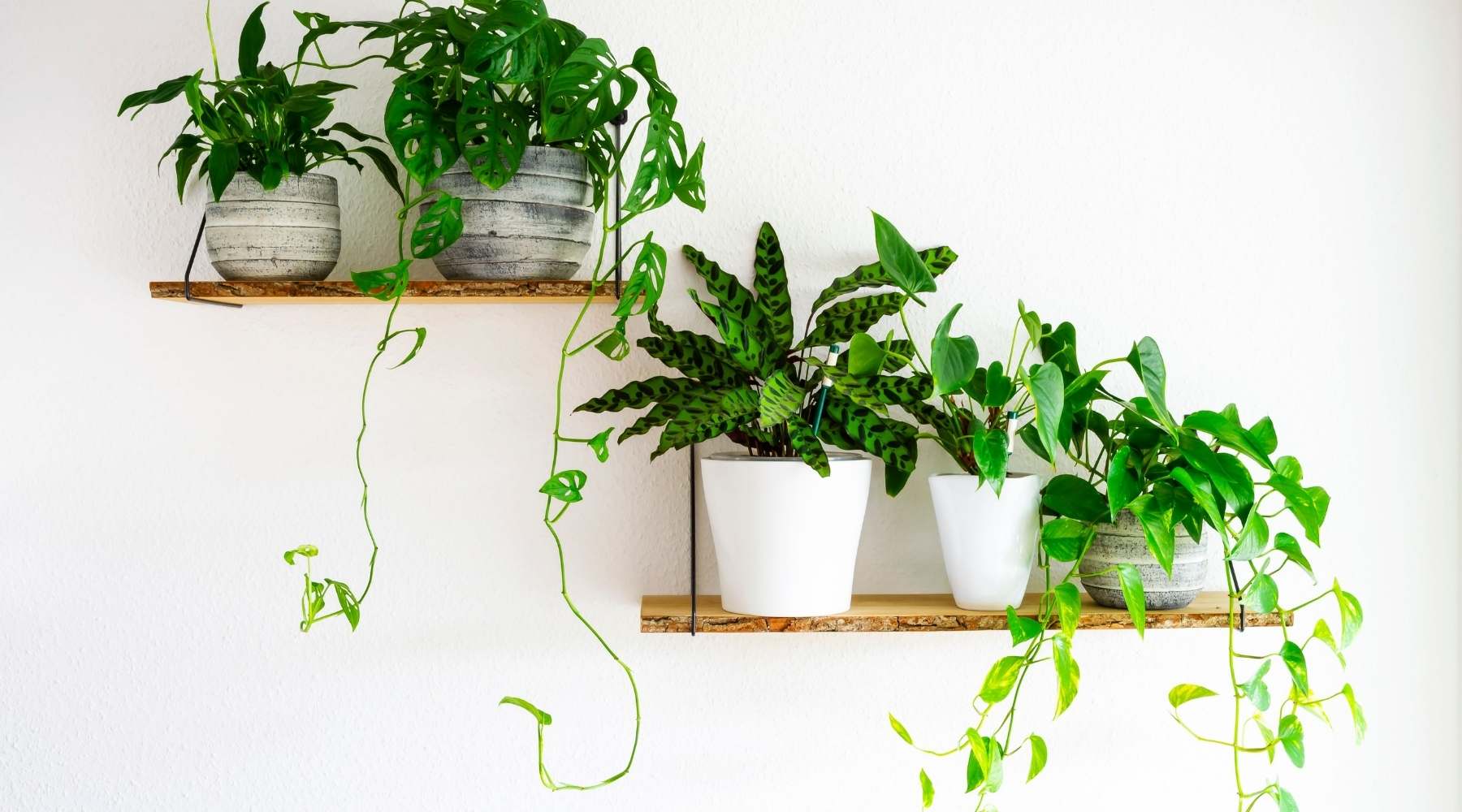
Plants need the right amount and quality of light for photosynthesis. Most houseplants prefer bright, indirect light.
- Place them near east or west-facing windows.
- South-facing windows work well with sheer curtains to diffuse intense sun.
- North-facing or interior rooms suit low-light plants.
- Supplement with grow lights during darker months or in low-light homes.
Signs of insufficient light include leggy growth, pale leaves, or slow development. Too much direct sun can scorch leaves. Rotate plants regularly for even growth.
3. Watering Wisely – Avoid the #1 Killer of Houseplants
Overwatering causes more plant deaths than any other issue by leading to root rot. Underwatering stresses plants but is easier to fix.
Best Practices:
- Check soil moisture: Stick your finger 1-2 inches into the soil. Water only if it's dry.
- Water thoroughly until it drains out the bottom, then empty saucers.
- Use room-temperature water. Let tap water sit overnight to dissipate chlorine.
- Water less in winter when growth slows.
- Morning watering is ideal.
Different plants have different needs—succulents need drier conditions, while ferns prefer consistent moisture.

4. Soil and Repotting
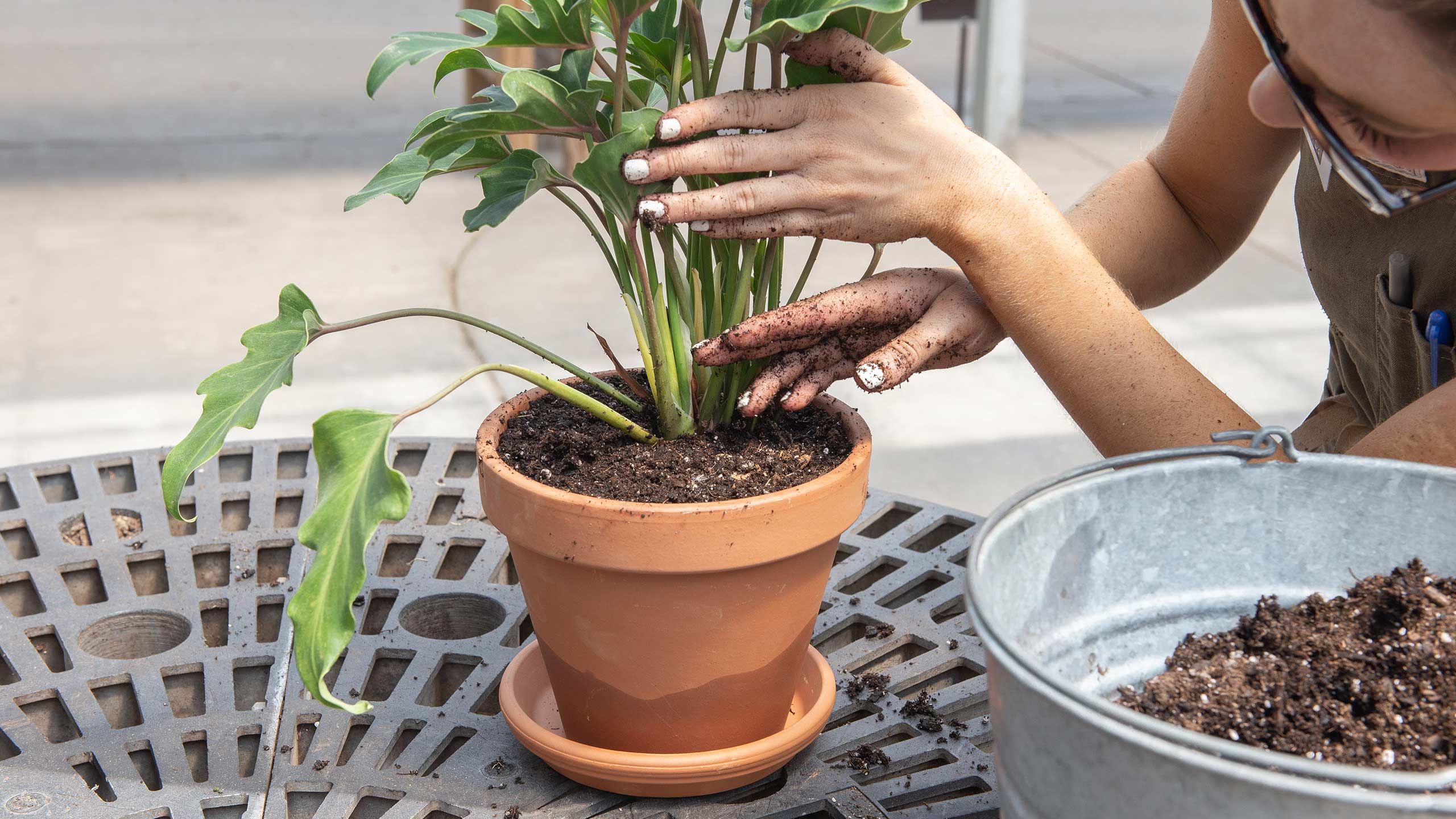
Use well-draining potting mix suited to the plant. General houseplant mix works for many, but add perlite or sand for succulents/cacti and peat for moisture-lovers.
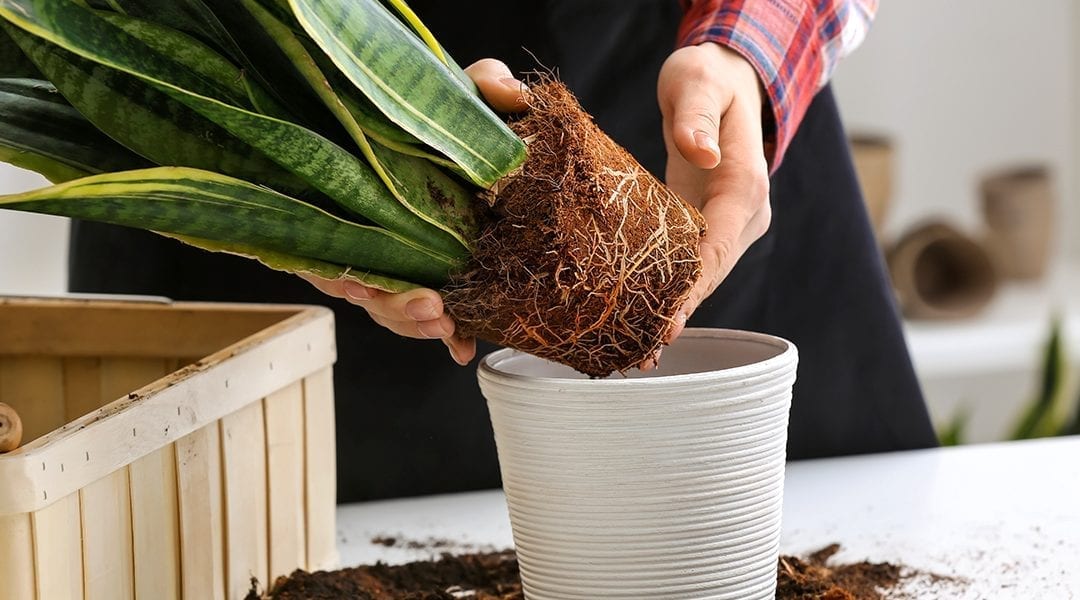
Repot every 1-2 years or when roots circle the pot or grow out of drainage holes. Choose a pot 1-2 inches larger. Spring is the best time.
5. Fertilizing for Vibrant Growth
Houseplants deplete soil nutrients over time. Fertilize during the growing season (spring through fall).
- Use a balanced, water-soluble fertilizer diluted to half strength every 2-4 weeks.
- Slow-release granules provide steady nutrition.
- Skip fertilizing in winter or for dormant plants.
- Always water before fertilizing to protect roots.
6. Humidity, Temperature, and Cleaning
Most tropical houseplants prefer 40-60% humidity. Use a pebble tray, humidifier, or group plants together. Mist occasionally, but avoid over-misting to prevent fungal issues.
Keep temperatures between 65-75°F (18-24°C) during the day, avoiding cold drafts or heat vents.
Wipe leaves with a damp cloth monthly to remove dust, which improves photosynthesis and helps spot pests early.
7. Dealing with Common Pests and Problems
Common Issues:
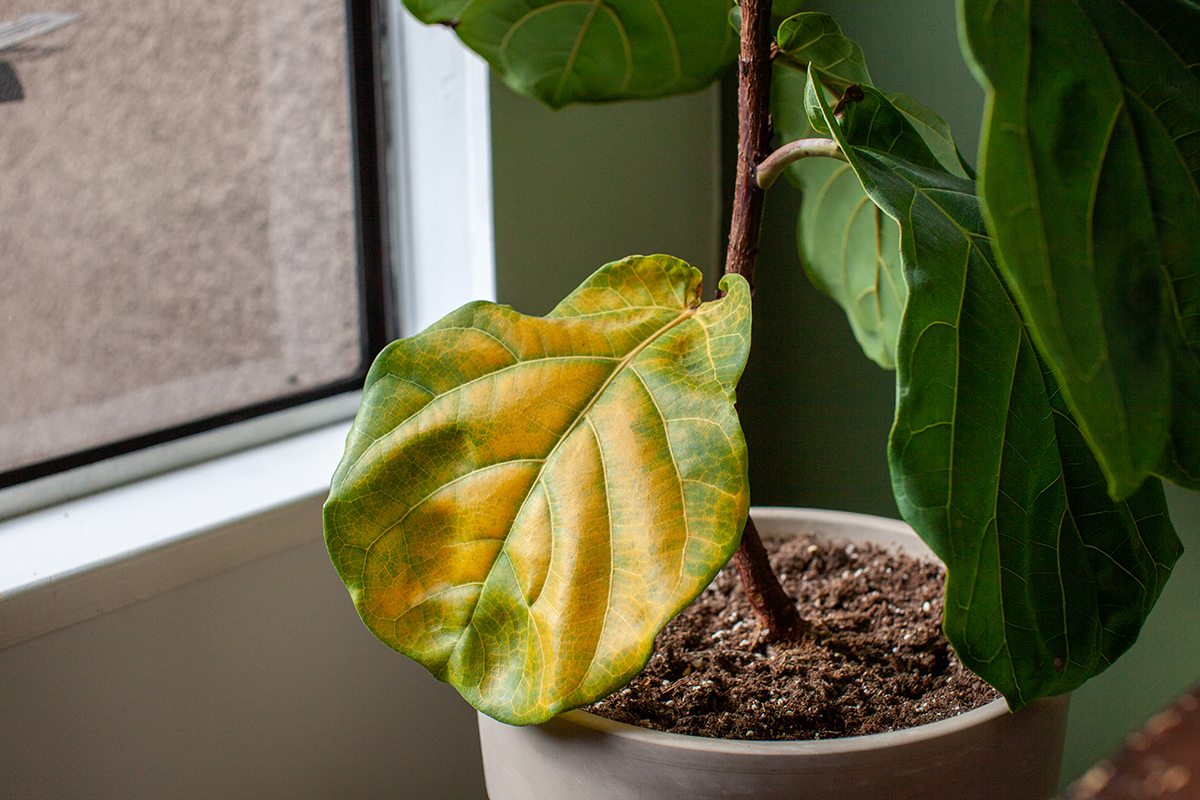
- Yellow leaves: Often overwatering or poor drainage.
- Brown tips: Low humidity or fluoride in water.
- Wilting: Underwatering or root issues.
Pests (spider mites, mealybugs, scale, aphids):
- Isolate affected plants.
- Wipe with soapy water or neem oil.
- Improve air circulation and avoid over-fertilizing.
8. Propagation: Multiply Your Collection for Free
Many plants propagate easily in water or soil.
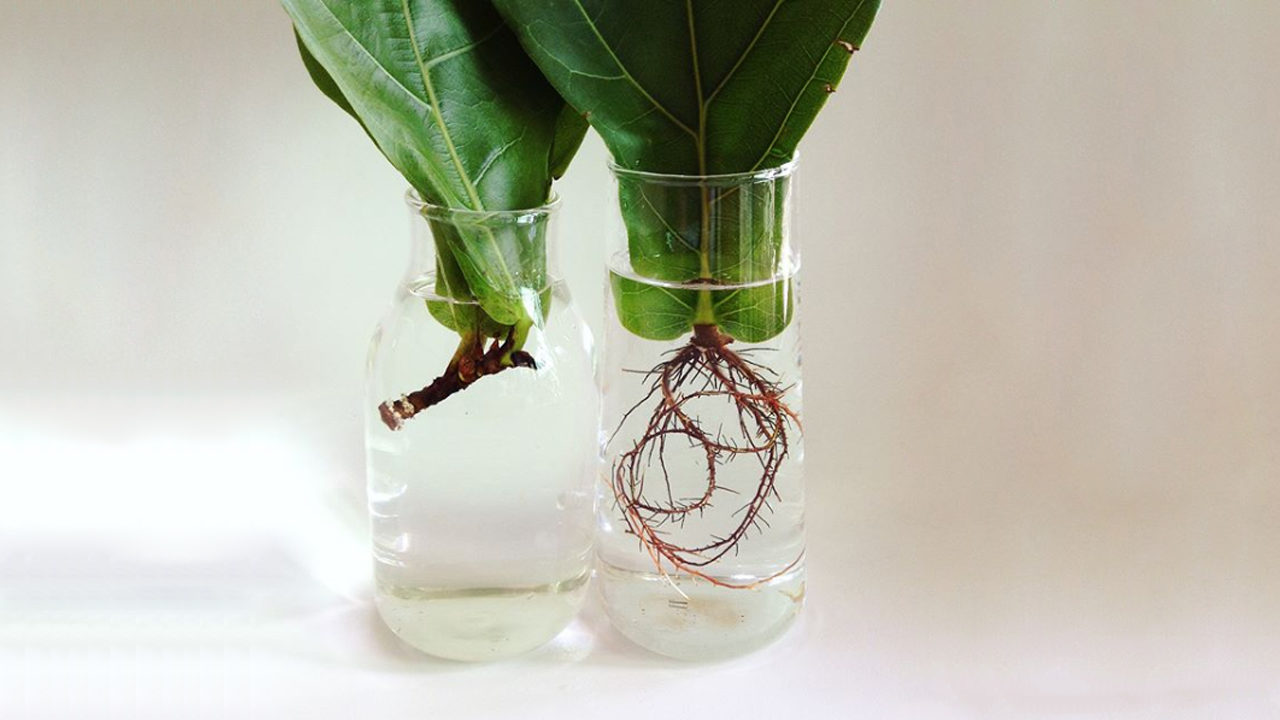
- Stem cuttings: Pothos, monstera, philodendron—place in water until roots form.
- Division: For snake plants or ferns.
- Leaf cuttings: For some succulents.
Change water regularly and provide bright indirect light.
Common Mistakes to Avoid
- Watering on a strict schedule instead of checking soil.
- Using pots without drainage holes.
- Ignoring plant-specific needs.
- Repotting too soon after purchase (let them acclimate 2-4 weeks).
- Placing in dark corners hoping they'll adapt.
Final Thoughts: Patience and Observation Are Key
Caring for houseplants is a rewarding journey of learning and connection with nature. Observe your plants weekly—they'll "tell" you what they need through their leaves and growth. Start small, be consistent, and soon you'll enjoy a lush, vibrant indoor garden that boosts your well-being every day.